The most important grooming appointment of a dog's life is the first one, and its goal is not a haircut. It is an introduction: to the sounds of clippers and dryers, the feeling of a table and a bath, and the experience of being handled by a stranger without anything bad happening. Concord owners who start puppies early and gently end up with adult dogs who walk into a salon calmly. Owners who wait until a six-month-old puppy is matted have a harder conversation, and so does the puppy.
When to start
Most groomers welcome puppies after their early vaccinations are on board, commonly around twelve to sixteen weeks, for a first short visit. Breed matters for timing less than temperament does. The point of starting in that window is that puppies are in a socialization period where new experiences land easily, and grooming becomes a normal part of life rather than a shocking event introduced to a strong, opinionated adolescent dog.
- Practice handling at home first. For a week or two before the visit, touch paws, hold ears gently, run a brush lightly over the coat for seconds at a time, and reward calmly. Short and positive beats thorough.
- Book a puppy-length appointment. A first visit is usually a bath, blow dry, light tidy of face, feet, and sanitary areas, plus nails, rather than a full haircut. Say it is a first groom when you book, so the salon plans the time.
- Arrive with a slightly tired, recently toileted puppy. A short walk and a bathroom break beforehand remove the two most common sources of first-visit stress.
- Hand over and leave without ceremony. Long emotional goodbyes teach the puppy that something is wrong. A cheerful, brief handoff and a walk out the door is the kindest script.
- Expect a report, not perfection. A good groomer will tell you what the puppy handled well and what needs practice. The puppy may come home with an unfinished tidy if stopping was the right call, and that is a feature.
- Rebook on the adult rhythm right away. Puppies who return in four to six weeks consolidate the lesson while it is fresh. Puppies who return in six months start over.
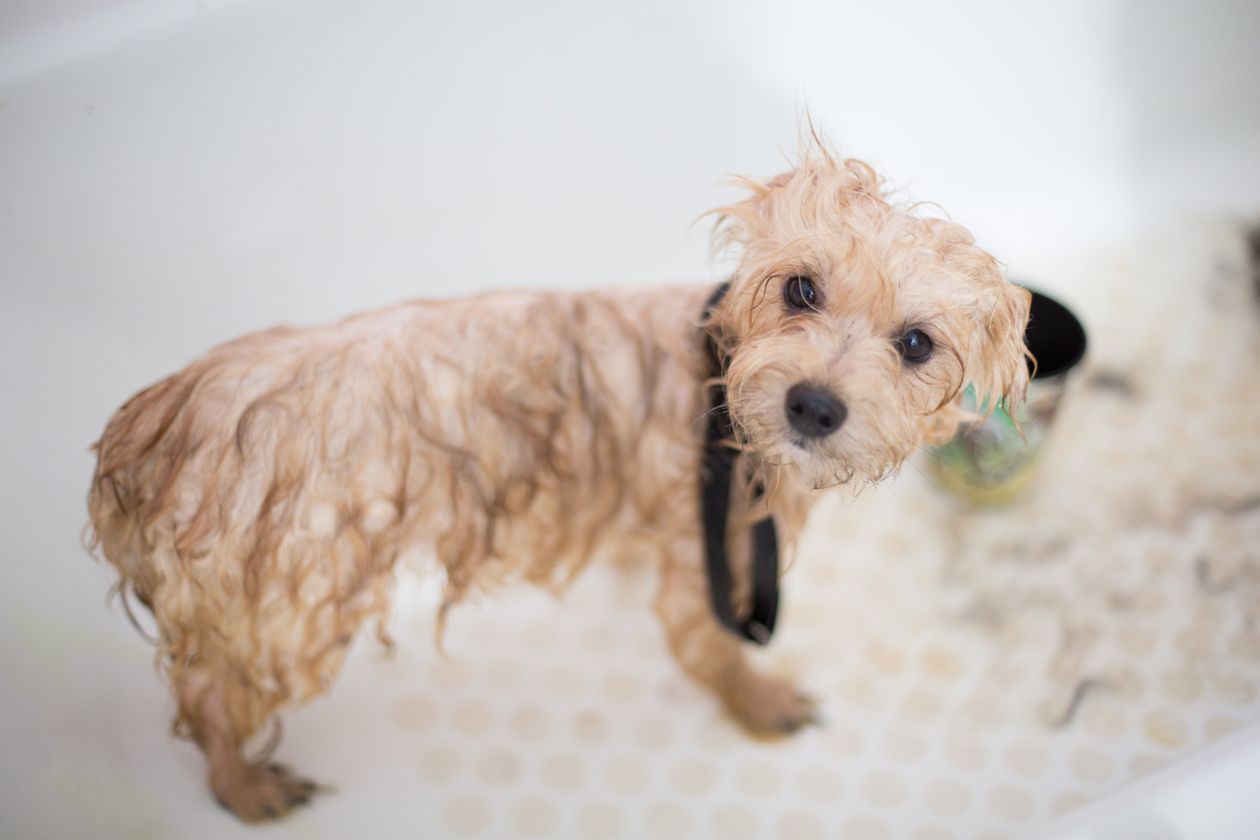
What to tell the groomer
Mention anything relevant: a bad experience at the vet, sensitivity about feet or ears, a tendency to mouth hands, and how the puppy does with other dogs and noises. Salons like Barks and Bubbles Salon and Spa in Concord plan around temperament as well as coat, and the heads-up costs nothing.
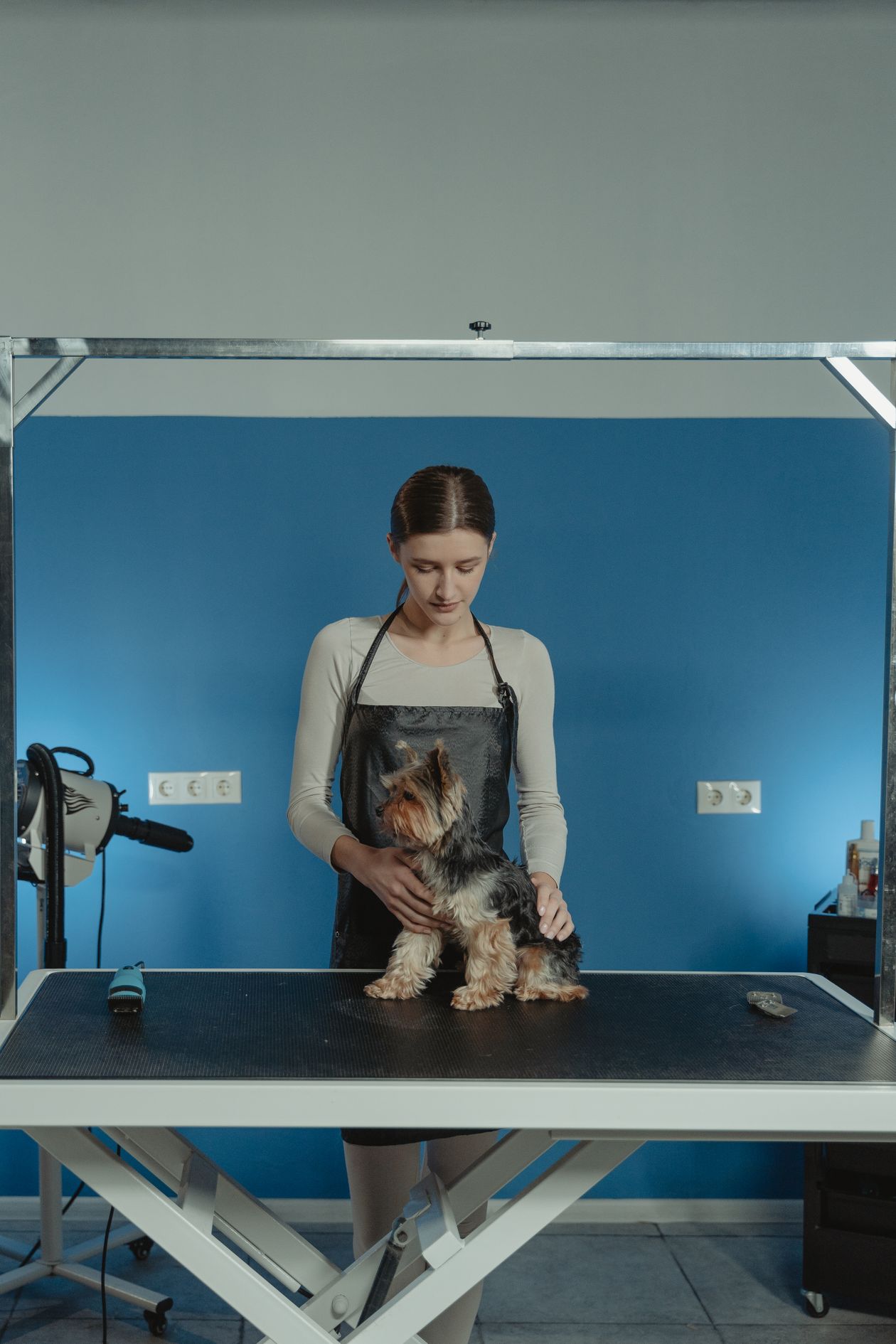
Between visits: keeping the lesson alive
The first groom buys familiarity, and home handling keeps it from expiring. Two or three times a week, run the same short routine: paws picked up and held for a few seconds each, ears lifted, a brush passed over the coat for a minute, and the sound of clippers or a hair dryer played at low volume across the room while treats appear. None of this should take five minutes, and all of it should end before the puppy objects. You are not training obedience. You are building the puppy's filing system, in which these sensations belong under normal life, not under alarming events.
Questions that sort good puppy groomers quickly
Ask how the salon handles a puppy who panics, how long a first appointment runs, whether puppies are groomed straight through or with breaks, and what they want you practicing at home. The answers reveal philosophy faster than any price list. A salon that plans to stop mid-groom rather than force a step, that schedules puppies with extra time, and that sends homework home is telling you exactly how your puppy will be treated when you are not in the room, which is the only question that matters.
Expect also to be told, kindly, if the plan changes. A first groom that ends early because the puppy has had enough is a success wearing a disguise: the puppy leaves with the memory that the scary place stopped when it needed to stop. That memory compounds across every visit for the rest of the dog's life, and it is worth far more than one finished haircut.
Common questions
Will my puppy get a full haircut at the first visit?
Usually not, and that is deliberate. The first visit builds trust with a bath and tidy. Full styling comes at the next visit or two, once the puppy knows the routine.
What if my puppy is frightened or wiggly?
Normal, and groomers plan for it. The appointment slows down, some steps may be skipped, and you get homework on handling. A puppy is never forced through a frightening step for the sake of a tidy finish.
Can I stay and watch?
Most salons ask owners not to stay, because puppies behave differently when their person is visible, usually worse. You will get an honest report and a visibly unstressed puppy instead.
Photos in this guide are representative stock images.
← All guides from Barks and Bubbles Salon and Spa← Back to Barks and Bubbles Salon and Spa